Best Cream Cheese: Ultimate Taste Test & Brand Guide
Whether slathered generously over a toasted morning bagel, whipped into a silky cake frosting, or baked into a towering, crack-free New York cheesecake, cream cheese is a foundational pillar of both the sweet and savory culinary worlds. Yet, anyone who has ever stood in the dairy aisle knows the overwhelming paralysis of choice. Dozens of brands promise the perfect balance of richness, tang, and spreadability. But when subjected to rigorous testing, how do they actually perform?
To help you navigate the dairy aisle with absolute confidence, we executed a comprehensive, blind cream cheese taste test. We evaluated 35 major brands across three distinct, essential categories: brick cream cheese, spreadable tub cream cheese, and whipped cream cheese. This exhaustive guide breaks down the culinary science behind this beloved dairy product, explains how stabilizers alter performance, analyzes our strict testing methodology, and delivers the definitive rankings of the best cream cheese brands available on the market today.
The Science of Cream Cheese: What Makes It Good?
Before diving into the rankings, it is crucial to understand what cream cheese actually is from a physical and chemical standpoint. According to the United States Department of Agriculture (USDA) standards of identity, real cream cheese must contain at least 33% milk fat and have a moisture content of no more than 55%. It is produced by introducing lactic acid bacteria to a pasteurized mixture of milk and cream, which lowers the pH, causing the proteins (specifically casein) to coagulate into tight curds. The whey is then drained away, leaving behind a thick, spreadable mass of milk fat and protein.
However, the modern manufacturing process introduces variables that radically alter flavor and texture. The most significant of these variables is the introduction of stabilizers, or hydrocolloids. These ingredients include:
- Guar Gum: Derived from guar beans, this stabilizer is excellent at binding water and preventing syneresis (the weeping of liquid from the cheese).
- Carob Bean Gum (Locust Bean Gum): This gum improves structural elasticity and provides a smooth, luxurious mouthfeel.
- Xanthan Gum: Often used in conjunction with other gums to control viscosity and maintain uniform texture under temperature fluctuations.
While stabilizers are essential for extending shelf life and preventing the cream cheese from separating into water and solids, too much stabilizer can ruin the product. An excess of gums creates a gummy, plasticky, or excessively gelatinous texture that resists melting and leaves a synthetic coating on the roof of your mouth. The best cream cheese brands strike an impeccable balance: they contain just enough stabilizer to hold their structure without compromising the clean, dissolving mouthfeel of pure dairy fat.
Brick vs. Spread vs. Whipped: Understanding the Categories
Not all cream cheeses are created equal, and they are certainly not interchangeable in recipes. Understanding the physical differences between brick, spreadable tub, and whipped varieties is the key to kitchen success.
1. Brick Cream Cheese
Sold in dense, foil-wrapped blocks, brick cream cheese is the purest form available to consumers. It has the lowest water content and the highest concentration of dairy fat. Because it contains fewer stabilizers and no added air or liquid, it is highly structural. When brought to room temperature, it becomes exceptionally smooth and emulsifies beautifully with sugars and fats. This is the only category of cream cheese you should use for baking cheesecakes, making frostings, or creating structured fillings.
2. Spreadable Tub Cream Cheese
Spreadable cream cheese, packaged in plastic tubs, is designed specifically for convenience. To remain spreadable directly out of a cold refrigerator, manufacturers alter the formula. They typically add more water, skim milk, or whey protein concentrate, and increase the proportion of stabilizers to lock in that extra moisture. While ideal for a quick breakfast bagel, using spreadable tub cream cheese in a baking recipe can be disastrous; the extra moisture and altered protein structure will cause cheesecakes to collapse, weep, or turn watery.
3. Whipped Cream Cheese
Whipped cream cheese is a subcategory of spreadable cheese that has been physically aerated. By injecting nitrogen gas or air into the mixture, manufacturers create a light, fluffy matrix that yields easily to a butter knife. The primary appeal of whipped cream cheese is its delicate texture, which makes it perfect for spreading on soft breads or fragile crackers without tearing them. It also registers as lighter on the palate, although its volumetric density means you are getting less actual cheese per tablespoon compared to a dense brick.
Our Strict Testing Methodology
To identify the absolute best cream cheese brand in each category, we established a rigorous, unbiased blind testing protocol. Our panel of seasoned food editors, pastry chefs, and culinary scientists evaluated each brand across four critical dimensions:
- Aroma: A high-quality cream cheese should smell fresh, clean, and mildly lactic, with a subtle, pleasant tang. It should never smell sour, stale, or metallic.
- Flavor Profile: We looked for a bright, clean lactic acid tang balanced by a deep, savory butteriness. The salt level needed to be balanced—enhancing the dairy flavor without tasting overtly salty. There should be no synthetic or chemical aftertastes.
- Mouthfeel & Texture: The cheese must dissolve smoothly on the tongue without leaving a greasy film or a chalky residue. It should feel velvety, dense (for bricks), and creamy, avoiding any gelatinous or watery characteristics.
- Spreadability: For tubs and whipped varieties, how easily does the cheese spread across a standard piece of sandwich bread? For bricks, we evaluated how well the cheese softened and held its structure when cut.
All samples were kept at identical temperatures prior to tasting. The brands were presented in neutralized, coded containers to ensure no brand bias interfered with our evaluations.
The Brick Cream Cheese Showdown: Top Brands Reviewed
The brick cream cheese category is the most demanding. It requires pristine structural integrity and a rich flavor that can stand up to baking. Here is our detailed breakdown of the top performing brick cream cheese brands on the market.
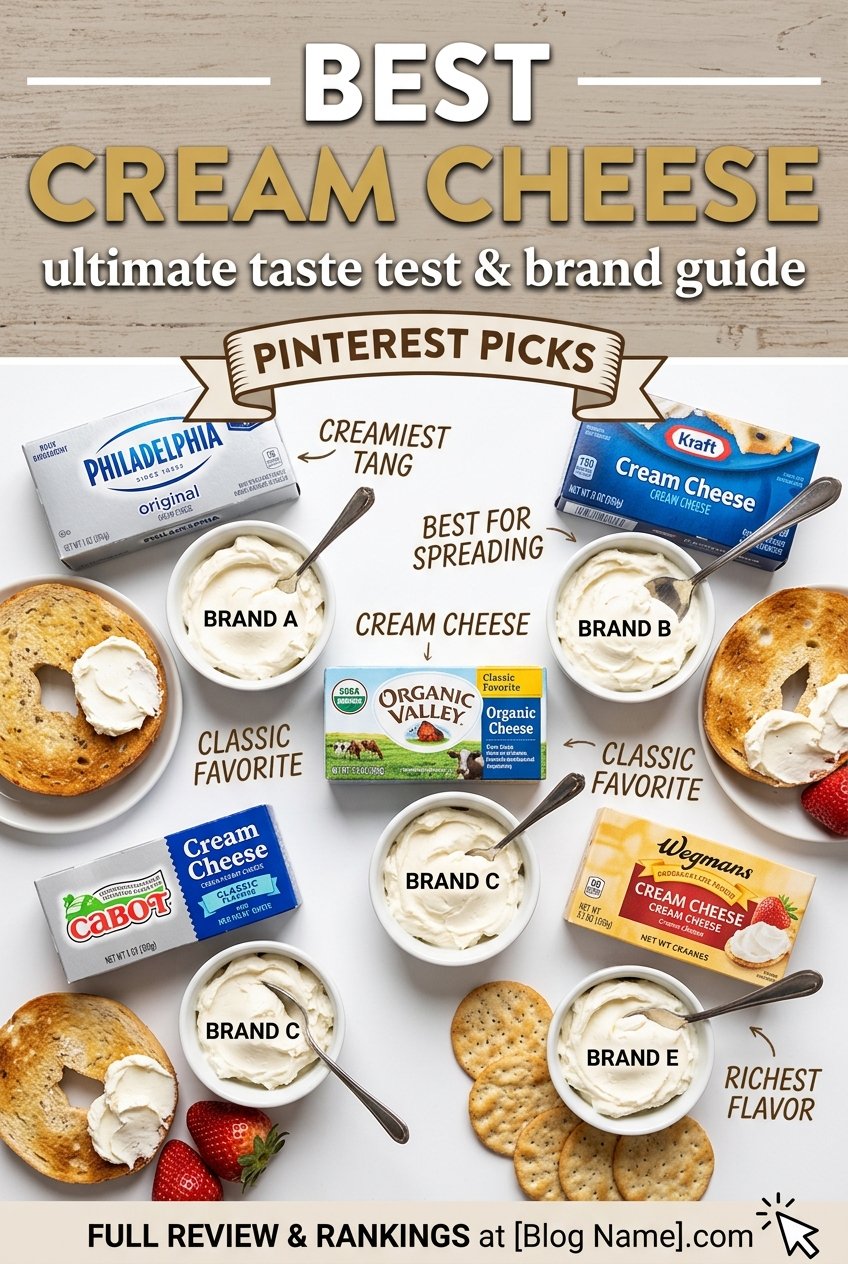
1. Philadelphia Original Cream Cheese (The Undisputed King)
There is a reason why Philadelphia is synonymous with cream cheese. In our blind tastings, this legacy brand consistently took top honors. It delivers the quintessential cream cheese experience: a perfect balance of sharp lactic tang and rich, buttery fat. The texture is dense yet miraculously velvety, melting cleanly on the tongue without any residual gumminess. Because of its precise formulation, it performs flawlessly in cheesecakes, yielding a silky, tight-crumbed texture that is the industry gold standard.
- Pros: Flawless flavor balance, superior baking performance, readily available.
- Cons: Slightly higher price point than generic store brands.
- Best For: Everything, especially New York Cheesecakes and cream cheese frostings.
2. Tillamook Farmstyle Cream Cheese (The Ultra-Rich Challenger)
Tillamook, a farmer-owned cooperative from Oregon, has made waves with its premium dairy line. Their brick cream cheese is exceptionally rich, owing to a slightly higher cream content and a focus on high-quality milk. It leans heavily into a sweet, buttery flavor profile with a milder, less aggressive tang than Philadelphia. The mouthfeel is remarkably dense and luxurious. For those who prefer their cream cheese to taste intensely of sweet cream, Tillamook is an outstanding choice.
- Pros: Incredibly rich and creamy, high-quality dairy flavor, minimal fillers.
- Cons: Tanginess is a bit muted; can be difficult to find in certain regions.
- Best For: Fruit tarts, danish fillings, and enjoying plain on artisan sourdough.
3. Organic Valley 8 oz. Cream Cheese Bar (The Best Organic Option)
For consumers seeking an organic option, Organic Valley delivers a stellar product. This cream cheese has a wonderfully rustic, natural flavor. It features a bright, clean, almost grassy tanginess that contrasts beautifully with its rich dairy base. Structurally, it is slightly firmer than Philadelphia, which means it requires a bit of extra time on the kitchen counter to soften completely before mixing.
- Pros: Certified organic, vibrant and bright flavor profile, clean ingredient list.
- Cons: Very firm texture requires thorough softening to avoid lumps in batters.
- Best For: Organic baking and robust savory spreads.
4. Cabot Creamery Cream Cheese (The Savory Standout)
Cabot, famous for its sharp cheddars, offers a brick cream cheese that carries a distinctively savory note. It has a pronounced saltiness that works incredibly well in savory applications. The tang is sharp and clean. While it may not be the first choice for delicate, sweet desserts, it is an unparalleled base for savory dips, cheese balls, and spreads.
- Pros: Bold savory flavor, excellent tang, robust structure.
- Cons: A bit too salty for delicate, sweet pastry applications.
- Best For: Jalapeño poppers, buffalo chicken dips, and savory appetizers.
5. 365 Whole Foods Market Organic Cream Cheese (The Budget Organic)
Whole Foods’ house brand offers a solid, middle-of-the-road organic brick. It has a pleasant, mild flavor with moderate tanginess. However, our testers noted that the mouthfeel is slightly chalkier and less velvety than Philadelphia or Tillamook. It functions well in baking but lacks the luxurious dissolving quality when eaten raw.
- Pros: Affordable organic option, reliable performance in baked goods.
- Cons: Slightly chalky finish, lacks a deep, complex flavor profile.
- Best For: Everyday baking and mixing into batters.
The Tub Spread Cream Cheese Showdown
When it comes to tub spreads, we are looking for a product that balances effortless spreadability with a robust flavor that can cut through the dense, chewy crumb of a toasted bagel. Here are the top contenders in the spreadable cream cheese category.
1. Temp Tee Whipped-Spreadable Cream Cheese (The Regional Darling)
Though labeled as “whipped-spreadable,” Temp Tee occupies a unique, legendary space in the market. It is ultra-creamy, profoundly savory, and possesses a sharp, addictive tang that outshines almost every other tub on the market. It spreads like a dream, melting slightly when it hits a hot, toasted bagel, creating a luxurious, glossy layer of pure dairy bliss.
- Pros: Outstanding, sharp flavor; airy yet substantive texture; melts beautifully on hot toast.
- Cons: Limited geographic availability (primarily in the Northeast US).
- Best For: Hot, toasted bagels with smoked salmon and capers.
2. Philadelphia Original Spreadable Cream Cheese (The Reliable Standard)
Philadelphia’s tub version maintains the brand’s signature flavor profile: a balanced, clean tanginess paired with a rich, buttery finish. The addition of extra stabilizers keeps it spreadable straight from the fridge, though it is visibly denser and firmer than Temp Tee. It is a highly dependable, consistent product that never disappoints.
- Pros: Consistent quality, familiar and balanced flavor, widely available.
- Cons: Can feel slightly gummy if eaten cold straight from the tub.
- Best For: Quick morning spreads and sandwich additions.
3. Lucerne Original Cream Cheese Spread (The Best Value)
Lucerne (the house brand for Safeway/Albertsons) punched well above its weight class in our testing. It offers a surprisingly bright, clean flavor with a sharp acidic kick that cuts through heavy fats. While the texture is slightly lighter and less dense than Philadelphia, it spreads beautifully and offers exceptional value for budget-conscious shoppers.
- Pros: Budget-friendly, highly spreadable, crisp and clean tang.
- Cons: Slightly thinner consistency than premium brands.
- Best For: Value-focused households and large brunch gatherings.
4. Kite Hill Plain Plant-Based Artisanal Spread (The Best Dairy-Free Alternative)
To ensure our guide serves all dietary preferences, we included leading plant-based options in our taste test. Kite Hill, crafted from almond milk, was the standout winner in the dairy-free category. It utilizes traditional cheese-making cultures to ferment the almond milk, resulting in a genuine, complex lactic tang that closely mimics real dairy. The texture is light and spreadable, though it lacks the rich, coating mouthfeel of animal fats.
- Pros: Truly fermented flavor, dairy-free, soy-free, clean ingredients.
- Cons: Expensive; lacks the heavy, buttery richness of dairy.
- Best For: Vegan diets and dairy sensitivities.
The Whipped Cream Cheese Showdown
Whipped cream cheese must be light, airy, and fluffy, yet it must retain enough structural integrity to hold its shape on a cracker or piece of toast. It should dissolve instantly on the tongue like a cloud of savory dairy.
1. Philadelphia Whipped Cream Cheese (The Textural Masterpiece)
Philadelphia dominates the whipped category just as it does the brick category. It is whipped to absolute perfection, boasting a voluminous, pillowy structure that feels incredibly light. Despite the aeration, the flavor is not diluted; it still delivers that signature Philadelphia tang and buttery richness. It spreads effortlessly without tearing even the thinnest, most delicate crackers.
- Pros: Perfect aeration, does not tear bread, maintains rich flavor.
- Cons: None of note for this category.
- Best For: Delicate crackers, crudités, and light breakfast spreads.
2. Nancy’s Organic Probiotic Cream Cheese (The Health-Conscious Choice)
Nancy’s offers a unique take on whipped cream cheese by infusing it with live probiotic cultures. It is exceptionally tangy—bordering on sour cream or Greek yogurt territory—which our testers found incredibly refreshing. The texture is light and airy, though it has a slightly wetter consistency than Philadelphia.
- Pros: Packed with beneficial probiotics, intensely tangy, organic.
- Cons: Flavor may be too tart for those who prefer a sweeter, milder profile.
- Best For: Health-conscious eaters and pairing with sweet fruit preserves.
Cream Cheese Comparison Matrix
To help you make an informed decision at a glance, we compiled this comparative matrix detailing the key attributes of the top-performing cream cheese brands.
| Brand & Variety | Category | Tanginess Level | Richness | Primary Best Use |
|---|---|---|---|---|
| Philadelphia Original | Brick | Balanced / High | Excellent | Baking (Cheesecakes, Frostings) |
| Tillamook Farmstyle | Brick | Mild / Sweet | Ultra-High | Pastry Fillings, Sourdough |
| Organic Valley | Brick | Bright / Grassy | High | Organic Recipes & Savory Spreads |
| Temp Tee | Tub Spread | Sharp / Intense | High | Bagels & Smoked Salmon |
| Philadelphia Whipped | Whipped | Balanced | Medium-High | Delicate Crackers & Crudités |
Baking & Cooking with Cream Cheese: Expert Tips
Even the best cream cheese brand can fail if handled incorrectly in the kitchen. Culinary science dictates specific rules when working with this highly sensitive emulsion of fat, water, and protein.
The Golden Rule of Cheesecakes: Temperature Control
The single most common mistake home bakers make when baking a cheesecake is using cold cream cheese. Cold cream cheese is firm because the milk fat is crystallized. If you attempt to beat cold cream cheese with sugar, it will break into tiny, stubborn lumps that are virtually impossible to smooth out. This results in a lumpy batter and an uneven bake.
To avoid this, you must temper your cream cheese. Cut the bricks into small cubes and let them sit on your kitchen counter for at least two hours before baking. When touched, the cheese should feel completely soft and yield effortlessly to gentle pressure. If you are in a rush, you can submerge the sealed foil packages in warm (not hot) water for 15 to 20 minutes.
Why You Must Avoid Tub Spreads in Baking
As discussed, spreadable tub cream cheeses contain higher moisture levels and extra stabilizers to remain soft at low temperatures. If you attempt to use tub cream cheese in a classic cheesecake recipe, the excess water will steam during the baking process, creating air pockets and causing the cake to rise excessively and then collapse. Furthermore, the altered stabilizer matrix prevents the proteins from coagulating into the tight, velvety crumb characteristic of a premium cheesecake. Always stick to the brick vs spread cream cheese rule: bricks for baking, tubs for raw applications.
Emulsifying Sauces Safely
Cream cheese is an exceptional shortcut ingredient for making quick, creamy sauces, such as a rapid Alfredo or a rich spinach dip. However, dairy fat is prone to breaking (separating into oil and water) when subjected to direct, intense heat. To incorporate cream cheese into a hot sauce without curdling:
- Reduce the heat of your pan to low before adding the cheese.
- Cut the cream cheese into small cubes to facilitate rapid melting.
- Whisk constantly as it melts, allowing the natural proteins to slowly emulsify with the cooking liquids.
- Alternatively, temper the cream cheese by whisking a few splashes of hot pasta water into the cheese in a separate bowl before adding the mixture to the pan.
Nutritional Breakdown & Dietary Considerations
Cream cheese is undoubtedly an indulgent ingredient, but it does offer nutritional value. It is a dense source of energy, primarily driven by milk fats. According to nutritional data compiled by health authorities like Healthline, a standard 1-ounce (28-gram) serving of original cream cheese typically contains:
- Calories: 100
- Protein: 2 grams
- Fat: 10 grams (6 grams saturated fat)
- Carbohydrates: 1.5 grams
- Vitamin A: 10% of the Daily Value (DV) – crucial for eye health and immune function.
- Calcium: 2% of the DV.
Because it is highly concentrated, cream cheese is naturally low in lactose, making it easier to tolerate for individuals with mild lactose sensitivities. However, for those with severe lactose intolerance, brands like Green Valley Creamery offer highly rated, lactose-free organic cream cheese bricks that perform identically to traditional cream cheese by adding lactase enzymes directly to the dairy during processing.
Frequently Asked Questions (FAQs)
Can you freeze cream cheese?
Technically yes, but with a major caveat. Freezing cream cheese alters its physical structure. When the water inside the cheese freezes, it expands into ice crystals, which rupture the delicate fat-and-protein emulsion. Once thawed, the cream cheese will have a crumbly, grainy, and watery texture. While thawed cream cheese is no longer suitable for spreading on a bagel or using in a smooth cheesecake, it is perfectly fine to use in cooked dishes where it will be completely melted and integrated, such as casseroles, soups, or baked pastas.
What is the difference between Neufchâtel and cream cheese?
Neufchâtel is a traditional French cheese, but in American supermarkets, “Neufchâtel” refers to a lower-fat alternative to standard cream cheese. By law, American Neufchâtel contains approximately 23% milk fat (compared to cream cheese’s 33%) and a higher moisture content. It can be used as a direct 1:1 substitute for cream cheese in many casual recipes to reduce fat and calories, but keep in mind that it has a slightly softer texture and a slightly less rich mouthfeel.
How long does opened cream cheese last in the refrigerator?
Once opened, brick or tub cream cheese should be kept tightly sealed in the refrigerator and consumed within 7 to 10 days. Always use clean utensils to scoop out the cheese to prevent cross-contamination, which accelerates mold growth. If you spot any mold, discard the entire container immediately—soft cheeses have high moisture levels, meaning mold spores can easily penetrate deep into the product invisible to the naked eye.
Why does liquid sometimes pool on top of cream cheese?
The liquid pooling on top of your cream cheese is whey, and the process is called syneresis. It is completely natural and occurs when the physical structure of the cheese contracts slightly over time, squeezing out water. It is not a sign of spoilage. You can simply drain the liquid off or stir it back into the cheese to restore its original consistency.
The Final Verdict: Which Cream Cheese Should You Buy?
After tasting our way through dozens of brands, analyzing their chemical makeups, and testing their performance under heat, we have arrived at our final recommendations:
If you are looking for the absolute best cream cheese for baking, general cooking, or maximum versatility, buy Philadelphia Original Brick Cream Cheese. Its impeccable emulsion, perfect lactic tang, and predictable performance make it the unmatched champion of the baking world. If you prefer a richer, more butter-forward profile, Tillamook Farmstyle is a spectacular premium alternative.
For your morning breakfast routine, seek out Temp Tee Whipped-Spreadable Cream Cheese if you live within its distribution zone; its sharp flavor and dreamy texture are second to none. For nationwide shoppers, Philadelphia Original Tub Spread or the fluffy, airy Philadelphia Whipped Cream Cheese are highly reliable, top-tier choices that will elevate your bagel game to new heights.
By understanding the science of stabilizers, distinguishing between brick and spreadable formulas, and employing proper kitchen techniques, you are now fully equipped to select and utilize the perfect cream cheese for any culinary task. Happy cooking!