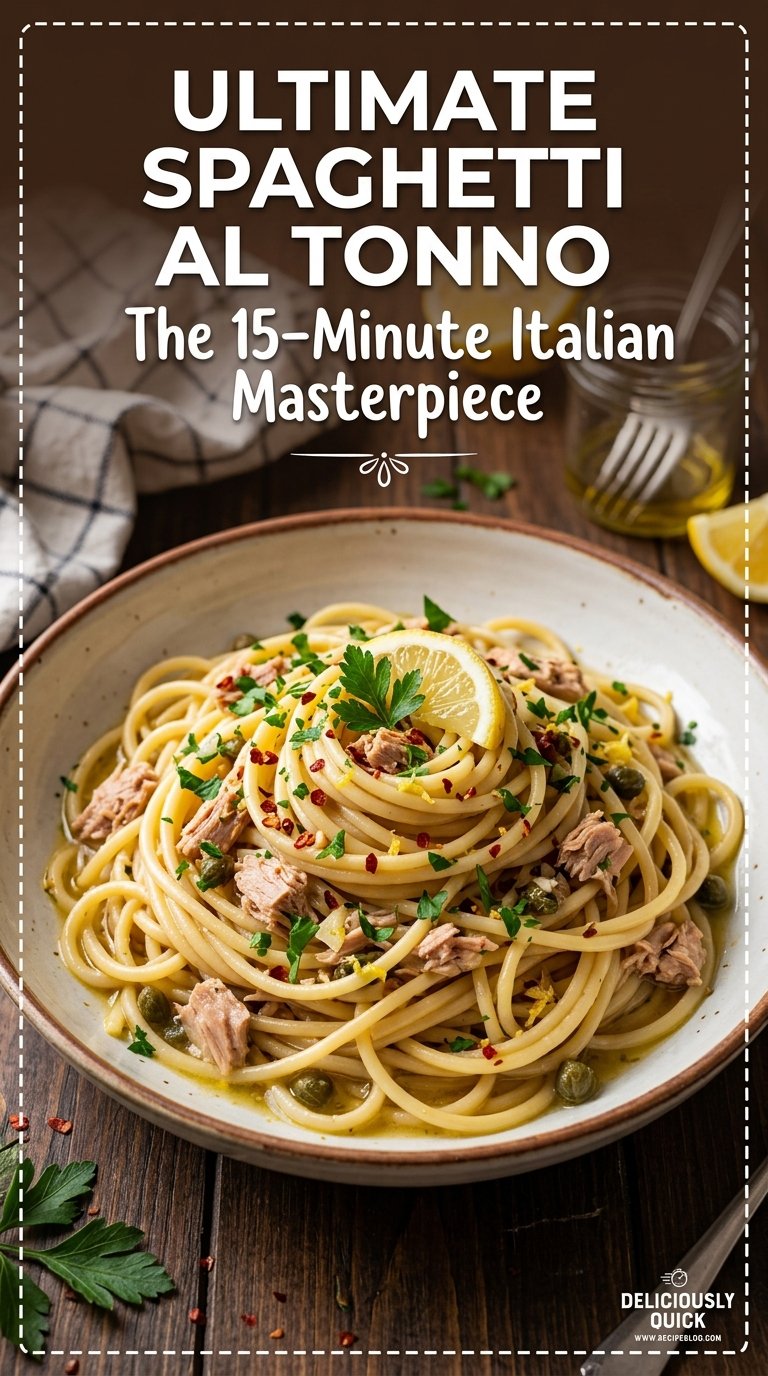
Ultimate Spaghetti al Tonno: The 15-Minute Italian Masterpiece
The ultimate Spaghetti al Tonno recipe is a masterclass in Italian culinary philosophy: high-quality ingredients, minimal preparation, and maximum flavor. In the culinary landscape of Italy, few dishes capture the essence of cucina povera (peasant cooking) as brilliantly as this classic tuna pasta. It is an extraordinary, pantry-friendly recipe that transforms basic, shelf-stable ingredients into a restaurant-quality meal in less time than it takes to order takeout. Whether you are a seasoned home cook or a culinary novice, learning how to prepare authentic spaghetti with tuna is an essential skill that will elevate your weeknight dinner rotation forever.
At its core, this easy tuna pasta recipe relies on the harmony of olive oil-packed canned tuna, aromatic garlic, spicy red pepper flakes, and perfectly cooked al dente pasta. However, to truly elevate this dish from simple sustenance to an unforgettable gastronomic experience, one must understand the subtle culinary techniques and food science that make Italian pasta dishes so universally beloved. In this comprehensive guide, we will explore the rich history, ingredient science, step-by-step techniques, and expert secrets to mastering the perfect Spaghetti al Tonno in your own kitchen.
The Cultural Origins of Spaghetti al Tonno
To fully appreciate Spaghetti al Tonno, one must understand its roots in Italian food culture. Originating primarily in the coastal regions of Southern Italy, particularly Campania and Sicily, this dish was born out of convenience, frugality, and the abundance of preserved seafood. Historically, coastal communities relied on salting and oil-preservation to store the seasonal bounty of the Mediterranean Sea. Canned tuna (tonno sott’olio) became a staple of the Italian pantry, offering an affordable, shelf-stable source of high-quality protein.
In Italy, Spaghetti al Tonno is also deeply intertwined with religious traditions. According to Roman Catholic custom, meat is abstained from on certain days, most notably Christmas Eve (La Vigilia) and during Lent. Consequently, seafood-based pasta dishes became the centerpiece of these fast days. Because of its incredible speed and deep, savory satisfaction, Spaghetti al Tonno evolved from a holy day obligation into a beloved nationwide comfort food, served in households from Milan to Palermo on busy weeknights when fresh ingredients are scarce.
Unlike many Americanized pasta recipes that heavy-handedly smother noodles in cream or artificial thickeners, authentic Italian cooking celebrated by publications like La Cucina Italiana focuses on clean, concentrated flavors balanced by the natural starches of the pasta itself. Understanding this culinary heritage helps us approach the ingredients with the respect they deserve, ensuring we do not overcomplicate what is meant to be beautifully simple.
The Anatomy of Ingredients: Choosing the Ultimate Elements
Because Spaghetti al Tonno features so few components, the quality of each ingredient plays a monumental role in the final flavor profile. There is nowhere for subpar ingredients to hide. To create the ultimate version of this dish, let us break down the science and selection process of every single element.
1. The Pasta: Spaghetti is King
While you can technically use various pasta shapes, long, thin strands are the gold standard for this sauce. Spaghetti, spaghettini, or vermicelli provide the ideal surface area for the light, oil-based sauce to cling to without overwhelming the delicate flakes of tuna. When shopping for pasta, look for packages labeled “bronze-cut” or “bronze-die extruded”.
Bronze dies leave a rough, chalky, matte texture on the surface of the dry pasta, unlike modern Teflon dies which create a smooth, slick noodle. This rough texture is crucial because it acts like microscopic Velcro, allowing the emulsified tuna oil and pasta water sauce to coat every strand evenly. Additionally, high-quality pasta made from 100% durum wheat semolina contains higher protein levels, resulting in a superior chew (al dente texture) and releasing more starch into the cooking water—a critical element for sauce consistency.
2. The Tuna: Why Oil-Packed is Mandatory
If there is one non-negotiable rule for this recipe, it is this: you must use oil-packed canned tuna. Tuna packed in water is dry, chalky, and lacks the luxurious mouthfeel and deep savory flavor required for Spaghetti al Tonno. The oil in the can is infused with the rich, fat-soluble compounds of the fish, which serves as the foundational fat base for our pasta sauce.
For the ultimate experience, seek out high-quality imported Italian or Spanish canned tuna (often labeled as Tonno all’Olio d’Oliva). If your budget allows, opt for ventresca (tuna belly), which is the most tender, buttery, and flavorful cut of the fish. Additionally, keeping environmental health in mind is paramount; always look for sustainably sourced options certified by organizations like the Marine Stewardship Council to ensure your meal supports healthy ocean ecosystems.
3. The Aromatics: Garlic and Peperoncino
Garlic is the aromatic backbone of this dish. For a balanced, sweet garlic flavor, thinly slice the garlic cloves rather than mincing or pressing them. Mincing garlic ruptures more cell walls, releasing high amounts of allicin, which can quickly turn bitter and overpowering when sautéed. Sliced garlic cooks gently, sweetening the oil and providing delightful, tender bites of garlic throughout the pasta.
To balance the richness of the tuna and olive oil, a kick of heat is essential. Dried red pepper flakes (peperoncino) are traditional. When bloomed in warm oil, they release their fat-soluble capsaicin, distributing a warm, pleasant heat throughout the entire dish rather than creating localized spicy hot spots.
4. The Umami and Acid Enhancers: Capers, Olives, and Lemon
While some minimalist versions of Spaghetti al Tonno use only garlic, oil, and tuna, incorporating a few curated pantry dynamic-boosters takes the dish to extraordinary heights.
- Capers: Use nonpareil capers packed in vinegar brine for sharp pops of acidity, or salted capers (thoroughly rinsed) for a deeper, floral herbaceousness. They cut through the fatty tuna beautifully.
- Olives: Rich, briny black olives such as Gaeta, Kalamata, or buttery Castelvetrano olives add complex salty notes and texture.
- Lemon: While purists argue over the inclusion of citrus, a whisper of fresh lemon zest and a tiny squeeze of fresh lemon juice at the very end of cooking cuts through the rich oils, instantly brightening the heavy seafood notes and lifting the entire flavor profile.
5. The Extra Virgin Olive Oil: The Liquid Gold
Because this is a light sauce, extra virgin olive oil (EVOO) acts as both a cooking medium and a flavor element. Choose a high-quality, cold-pressed extra virgin olive oil with a slightly peppery finish. Avoid refined olive oils or vegetable blends, which lack the complex polyphenols and fruity aromas that define authentic Italian pasta dishes.
The Great Debate: Bianco vs. Rosso (With or Without Tomatoes)
In Italy, there are two distinct schools of thought when it comes to Spaghetti al Tonno: in bianco (white, oil-based) and in rosso (red, tomato-based). Both are highly traditional, but they offer completely different sensory experiences.
Spaghetti al Tonno in Bianco
The white version is the minimalist’s dream. It focuses purely on the interaction between the high-quality olive oil, garlic, chili, and tuna. The sauce is emulsified solely using the starchy pasta cooking water. It is incredibly light, clean, and highlights the natural flavor of the fish. This version is ideal for warmer months or when you want a lightning-fast, ultra-clean meal.
Spaghetti al Tonno in Rosso
The red version incorporates tomatoes, creating a richer, sweeter, and more comforting sauce. Traditionally, canned Italian plum tomatoes (such as San Marzano) are hand-crushed and simmered gently with the garlic and oil before the tuna is folded in. The natural acidity of the tomatoes balances the oiliness of the fish, creating a highly cohesive, savory ragù. This version is incredibly comforting during cooler months.
Note: The recipe detailed below represents the ultimate hybrid approach—an ultra-luxurious “in bianco” style that leverages capers, parsley, and lemon for maximum vibrancy, along with an optional tomato variation so you can choose your favorite culinary path.
The Food Science of Emulsification: Why Pasta Water is Magic
Have you ever eaten a homemade oil-based pasta only to find a greasy puddle at the bottom of your bowl while the noodles themselves remain dry and bland? This is the most common pitfall in pasta cookery, and it is entirely avoidable through the science of emulsification.
Water and oil naturally repel each other. To create a velvety, unified sauce that clings to your spaghetti, you must bridge the gap between these two opposing forces. This is where pasta cooking water comes into play. As dried pasta cooks in boiling water, it sheds starches (specifically amylose and amylopectin) into the pot. This starch-saturated water is a powerful natural emulsifier and thickener.
When you splash a ladleful of this hot, starchy water into your pan containing the tuna oil and olive oil, and vigorously toss or stir over high heat, the starch molecules trap the oil droplets, suspending them in the liquid. This process forms a creamy, glossy, stable emulsion—a sauce that coats the spaghetti like a silk sheet rather than sliding right off. To make this emulsion work optimally, remember two vital rules:
- Do not cook your pasta in too much water: Use just enough water to submerge the pasta comfortably. This concentrates the starch levels in the water, making it a far more effective emulsifier.
- Never rinse your cooked pasta: Rinsing washes away all the precious surface starches, rendering emulsification impossible.
The Controversy of Seafood and Cheese in Italian Cuisine
Before we dive into the kitchen, we must address the culinary elephant in the room: cheese. If you walk into a traditional trattoria in Italy and ask for grated Parmigiano-Reggiano or Pecorino Romano to sprinkle over your Spaghetti al Tonno, you will likely receive a stern look from the chef.
In traditional Italian gastronomy, pairing seafood with cheese is considered a severe culinary sin. There are practical, historical, and scientific reasons for this rule. Seafood is celebrated for its delicate, oceanic, and sometimes sweet flavors. Strong, aged cheeses like Parmigiano contain intense levels of glutamate, salt, and animal fats that can easily overwhelm and clash with the refined nuances of fish. Additionally, historically, coastal regions had access to abundant seafood but little dairy, whereas inland mountainous regions had ample dairy but little fresh fish; thus, regional cuisines naturally evolved without combining the two.
If you crave a textured, savory topping to mimic the role of cheese without violating Italian tradition, the answer lies in mollica (toasted breadcrumbs). Often referred to as “the poor man’s Parmesan,” toasted breadcrumbs sautéed in olive oil with a pinch of garlic powder and salt add an exquisite, crispy contrast to the tender noodles and flaky tuna. We highly recommend using this rustic, traditional topping instead of dairy.
Ultimate Spaghetti al Tonno Masterclass Recipe
This recipe delivers a masterfully balanced, highly aromatic Spaghetti al Tonno. It takes approximately 5 minutes of prep time and 10 minutes of active cooking. Read through the steps carefully before beginning, as the cooking process moves very quickly once the pasta hits the water.
Equipment Needed
- Large pot for boiling pasta
- Large skillet or sauté pan (preferably stainless steel or cast iron, big enough to hold all the pasta)
- Colander or tongs (tongs are preferred for transferring pasta directly)
- Microplane grater (for lemon zesting)
- Sharp chef’s knife
Ingredients (Serves 4 hungry adults)
- 1 pound (450g) high-quality bronze-die cut Spaghetti
- Two 5-ounce cans (approx. 300g total) high-quality tuna packed in olive oil (do not drain!)
- 4 tablespoons premium extra virgin olive oil (divided)
- 4 large garlic cloves, peeled and very thinly sliced
- 1/2 teaspoon to 1 teaspoon crushed red pepper flakes (adjust to taste preference)
- 2 tablespoons salted capers (rinsed and drained) or brined nonpareil capers
- 1/2 cup dry white wine (such as Pinot Grigio or Sauvignon Blanc)
- 1/2 cup fresh flat-leaf Italian parsley, finely chopped (leaves and tender stems)
- Zest of 1 organic, unwaxed lemon
- 1 tablespoon fresh lemon juice
- Kosher salt (for pasta water and seasoning)
- Optional topping: 1/2 cup coarse panko or rustic homemade breadcrumbs toasted in 1 tablespoon of olive oil until golden brown
Step-by-Step Cooking Instructions
Step 1: Boil the Pasta Water and Prep
Fill your large pot with water, but do not overfill it; you want about 4 quarts of water for 1 pound of pasta. Bring the water to a rolling boil over high heat. Once boiling, add 2 tablespoons of kosher salt. The water should taste pleasantly salty, like a seasoned soup, but not incredibly harsh. Drop your spaghetti into the boiling water and stir immediately with tongs to prevent the strands from sticking together. Set a timer for 2 minutes *less* than the package directions for “al dente.” We will finish cooking the pasta directly in our skillet sauce.
Step 2: Bloom the Aromatics
While the pasta cooks, place your large skillet over medium-low heat. Add 2 tablespoons of the fresh extra virgin olive oil along with the oil drained directly from your cans of tuna. Add the thinly sliced garlic and the red pepper flakes.
Cook gently, stirring constantly. You want to extract the sweet flavors of the garlic and release the heat of the chili flakes into the oil without letting the garlic turn brown. If the garlic begins to brown, it will taste bitter; immediately pull the pan off the heat to cool it down. This blooming process should take about 2 to 3 minutes until your kitchen smells incredibly aromatic.
Step 3: Build the Sauce Base
Add the capers to the warm oil and stir for 30 seconds to crisp them slightly. Turn the heat up to medium-high and pour in the dry white wine. Let the wine bubble vigorously and reduce by half (about 2 minutes). This cooks off the harsh alcohol aroma, leaving behind a beautiful, crisp acidity and complex fruit sugars that form the liquid foundation of our pan sauce.
Step 4: Fold in the Tuna
Turn the heat down to low. Flake the canned tuna directly into the pan. Use your wooden spoon or spatula to gently break up the tuna, but do not turn it into a paste—you want some nice, distinct, bite-sized chunks of tuna to remain for texture. Stir gently to incorporate the tuna into the garlic, chili, and wine mixture. The tuna only needs to warm through; cooking it aggressively at high heat will dry it out.
Step 5: The Grand Emulsification (Tossing the Pasta)
When your pasta is 2 minutes away from being fully cooked, use tongs to lift the spaghetti directly from the boiling water and drop it straight into the skillet with the tuna sauce. Don’t worry about shaking off excess water—that starchy water entering the pan is exactly what we want. If you are using a colander to drain, ensure you save at least 2 cups of the pasta cooking water before draining!
Turn the heat under your skillet up to medium-high. Add 1/2 cup of the reserved hot pasta cooking water to the pan. Begin tossing the pasta vigorously, or stirring rapidly with a wooden spoon. Watch as the oil, wine, and starchy water combine, transforming into a glossy, cohesive sauce that clings beautifully to every single strand of spaghetti.
Step 6: Final Finishes and Aromatics
Remove the skillet entirely from the heat source. This is crucial because high heat will mute the fresh, bright flavors we are about to add. Add the remaining 2 tablespoons of raw extra virgin olive oil (which adds a fresh, grassy top note), the finely chopped fresh parsley, the lemon zest, and the fresh lemon juice.
Toss one final time to distribute the fresh herbs and citrus evenly. Taste the pasta; adjust with a pinch of kosher salt if necessary, though the canned tuna, capers, and pasta water often provide plenty of saltiness naturally.
Step 7: Plate and Serve
Twirl the spaghetti into warm bowls, making sure to spoon plenty of the tuna, capers, and pan sauce over the top of each portion. If desired, garnish with a generous sprinkle of your golden-toasted rustic breadcrumbs for an incredible crunch that mimics the texture of grated cheese. Serve immediately while piping hot.
Expert Troubleshooting and Pro-Tips
Even with a simple recipe, minor variables in ingredients or heat control can affect your results. Here is how to troubleshoot like a professional chef:
- Problem: The pasta is dry and clumping together.
Solution: You need more moisture and emulsification. Splash in another 1/4 cup of hot, reserved pasta cooking water and a drizzle of olive oil, then toss vigorously off the heat. The starch in the water will instantly loosen and re-emulsify the sauce. - Problem: The dish tastes too fishy or heavy.
Solution: This happens when using low-quality, water-packed tuna or poor olive oil. To remedy this in the moment, add a touch more fresh lemon juice and fresh parsley. The acid and chlorophyll in the herbs act as excellent palate-cleansing agents that neutralize heavy fishiness. - Problem: The garlic burned.
Solution: If your garlic turns dark brown or black, do not proceed with the recipe. Burned garlic will ruin the entire dish with a bitter, acrid taste. Discard the oil and garlic, wipe the pan clean, and start over. It only takes 3 minutes to redo this step, and your taste buds will thank you.
Fascinating Nutritional Breakdown & Health Benefits
Spaghetti al Tonno is not just a triumph of culinary flavor; it is also an incredibly nourishing meal that fits beautifully within the highly praised Mediterranean diet. Incorporating this dish into your weekly menu offers significant health benefits backed by nutritional science, as highlighted by resources like the Harvard T.H. Chan School of Public Health.
Rich in Omega-3 Fatty Acids
Tuna is an exceptional source of long-chain Omega-3 fatty acids, specifically EPA and DHA. These essential fats are celebrated for their powerful anti-inflammatory properties. Regular consumption of Omega-3s is clinically proven to support cardiovascular health by lowering triglycerides, reducing blood pressure, and preventing arterial plaque buildup. They also play a vital role in maintaining brain function and cognitive health.
Lean Protein and Complex Carbohydrates
A serving of Spaghetti al Tonno provides a beautifully balanced macronutrient profile. The tuna offers highly bioavailable, lean protein, which is essential for muscle repair, immune function, and keeping you feeling full and satisfied. When paired with high-quality durum semolina spaghetti, you receive slow-digesting, complex carbohydrates that prevent rapid blood sugar spikes, providing sustained energy levels throughout your day.
Heart-Healthy Monounsaturated Fats
By cooking with premium extra virgin olive oil, this recipe infuses your body with monounsaturated oleic acid and rich polyphenols. These compounds act as powerful antioxidants, protecting your cells from oxidative stress and supporting healthy cholesterol levels by raising HDL (“good”) cholesterol while keeping LDL (“bad”) cholesterol in check.
Delightful Recipe Variations
Once you have mastered the classic preparation of Spaghetti al Tonno, you can begin experimenting with various regional and ingredient-focused variations to keep your kitchen adventures fresh and exciting.
1. The Sicilian Twist (Sweet and Savory)
Sicily is famous for its unique culinary identity, which blends Italian, Arabic, and North African influences. To make a Sicilian-style tuna pasta, add 2 tablespoons of toasted pine nuts and 2 tablespoons of dark raisins (hydrated in warm water for 10 minutes) alongside the garlic and chili. The sweetness of the raisins contrasts spectacularly with the savory tuna, while the pine nuts add a delightful, buttery crunch.
2. The Puttanesca Fusion
If you love big, bold, punchy flavors, combine Spaghetti al Tonno with the classic elements of a Pasta alla Puttanesca. To do this, melt 3 anchovy fillets in the warm olive oil alongside your garlic. Add 1/2 cup of sliced black olives, 1 can of crushed San Marzano tomatoes, and let the mixture simmer into a thick, rich sauce before tossing with your tuna and spaghetti. This variation is an umami bomb that will leave your guests begging for the recipe.
3. The Gluten-Free Alternative
Do not let gluten sensitivities keep you from enjoying this masterpiece. Modern gluten-free pastas made from brown rice, chickpeas, or corn can yield incredible results. When cooking gluten-free pasta, be extra vigilant with your timing, as it can transition from al dente to mushy very quickly. Because gluten-free pasta waters contain different starch profiles, you may need a touch more raw olive oil at the end of cooking to help stabilize your emulsified sauce.
Frequently Asked Questions (FAQs)
Can I use fresh tuna instead of canned tuna?
While fresh tuna is exquisite, canned tuna is actually preferred for this specific, traditional recipe. Canned tuna has a distinct, concentrated, savory profile and a soft texture that flakes perfectly to create an integrated sauce. If you do wish to use fresh tuna, we recommend searing a fresh tuna steak separately, slicing it thinly, and placing it over the top of the classic pasta base rather than cooking it directly in the sauce, which can easily overcook and dry out the fresh fish.
Can I make this dish ahead of time?
Spaghetti al Tonno is best enjoyed immediately fresh off the stove. Because it is an oil-and-water emulsified sauce, the pasta will continue to absorb the liquid as it sits, causing the sauce to lose its silky texture and the pasta to lose its al dente bite. However, if you do have leftovers, you can store them in an airtight container in the refrigerator for up to 2 days. To reheat, place the pasta back in a skillet over medium heat with a splash of water and a drizzle of olive oil, tossing constantly until warmed through to restore the emulsion.
Is it safe to eat canned tuna regularly?
Canned light tuna (such as skipjack) is generally very low in mercury and is perfectly safe for most individuals to eat multiple times per week. Albacore and yellowfin tuna have slightly higher mercury levels, so it is recommended to enjoy those varieties once or twice a week. Pregnant individuals or young children should consult health guidelines to choose the best types of canned seafood for their specific dietary needs.
Can I use dried parsley instead of fresh?
For this recipe, fresh flat-leaf Italian parsley is highly recommended. Dried parsley loses almost all of its volatile oils and has a grassy, hay-like taste that lacks the vibrant, peppery freshness required to lift and balance the rich flavors of the tuna and olive oil.
What wine pairs best with Spaghetti al Tonno?
This dish pairs beautifully with crisp, high-acid white wines that cut through the richness of the oil-packed tuna. Excellent choices include Italian whites such as Vermentino, Greco di Tufo, Pinot Grigio, or a crisp Sauvignon Blanc. If you prefer red wine, opt for something incredibly light-bodied and low in tannins, such as a chilled Schiava or Frappato, which will not clash with the seafood elements.
Conclusion: The Joy of Simple Cooking
Spaghetti al Tonno stands as a shining testament to the fact that you do not need expensive, rare ingredients or hours of intensive labor to create a world-class culinary masterpiece. By understanding the physical science of starch emulsification and investing in high-quality pantry staples, you can conjure the magic of coastal Italian dining in your own home in less than twenty minutes.
So, the next time you find yourself staring at an seemingly empty pantry after a long, exhausting day, resist the urge to order takeout. Instead, grab a package of spaghetti, a can of high-quality tuna, a few cloves of garlic, and a lemon. Ignite your stove, boil your water, and treat yourself to the effortless, deeply satisfying elegance of the ultimate Spaghetti al Tonno. Buon Appetito!