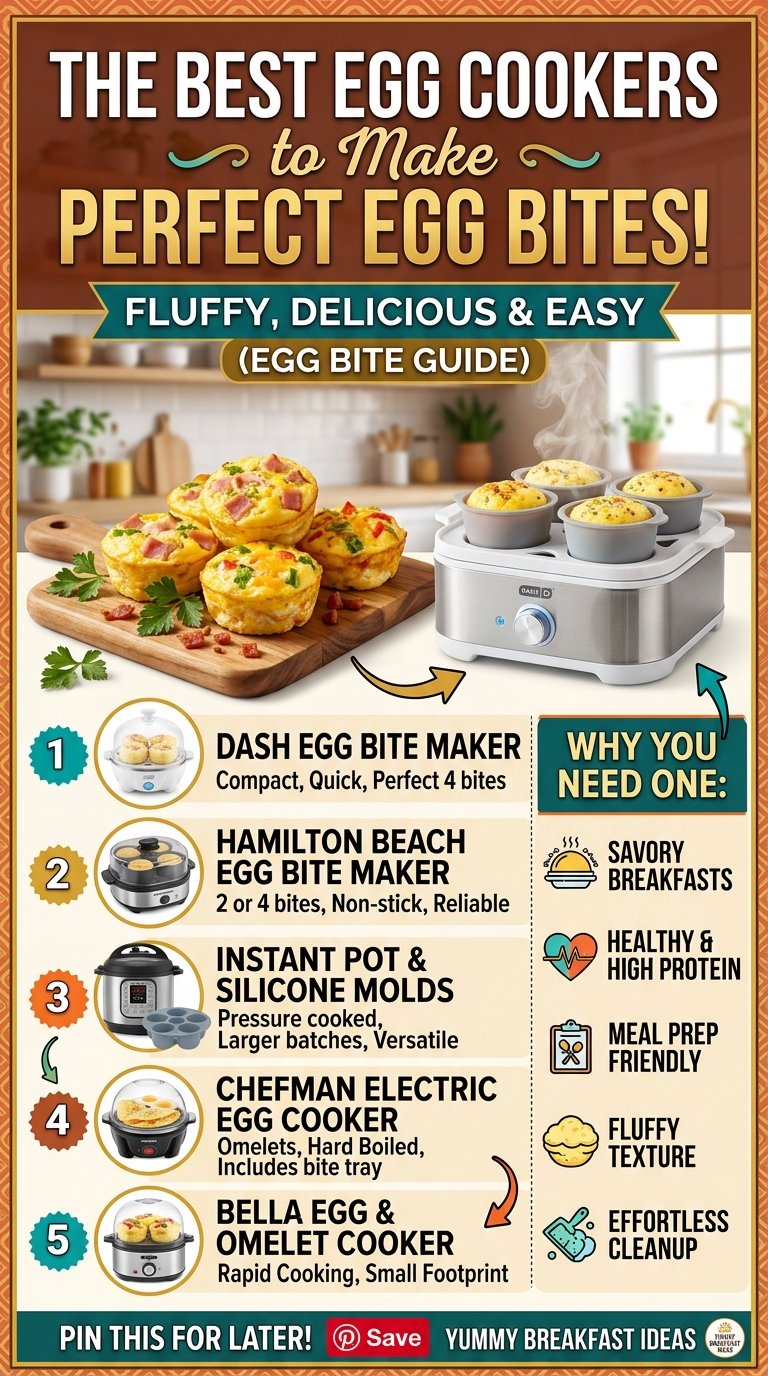
For breakfast enthusiasts, meal preppers, and home cooks alike, the promise of a perfect hard-boiled egg is a daily pursuit. We have all been there: standing over a boiling pot of water, watching the clock, only to end up with rubbery whites, chalky green-ringed yolks, or worse—a shell that clings so fiercely to the egg white that you lose half the egg during the peeling process. It is a frustrating, messy kitchen chore that has plagued cooks for generations.
Enter the electric egg cooker. These countertop appliances promise to take all the guesswork, timing, and peeling frustration out of the equation. They claim to deliver perfectly cooked soft, medium, or hard-boiled eggs that slide out of their shells with absolute ease. But do they actually deliver on this promise, or are they just another piece of single-use kitchen clutter destined for the back of your pantry? Can a specialized countertop gadget truly outperform the classic stovetop method?
To find out, we put eight of the leading electric egg cookers on the market through rigorous, side-by-side testing. Over several weeks, we cooked dozens of eggs, testing for consistency, ease of peeling, cooking speed, user safety, and cleanability. Ultimately, we discovered that while some egg cookers are mediocre gadgets that overpromise and underdeliver, others are absolute game-changers that deserve a permanent spot on your kitchen counter. In this comprehensive guide, we will break down the science of egg cooking, compare the stovetop method to electric cookers, detail our testing methodology, and reveal the four best egg cookers that earned our stamp of approval.
The Science Behind the Perfect Hard-Boiled Egg
Before diving into the machines themselves, it is crucial to understand the chemistry of a cooking egg. Cooking an egg is not merely heating it up; it is an intricate process of protein denaturation and coagulation. An egg is composed of two primary parts: the albumen (white) and the yolk, both of which consist of different proteins that coagulate at different temperatures.
Egg whites are primarily made of water and proteins like ovalbumin, transferrin, and ovomucoid. These proteins begin to coagulate—changing from a liquid state to a solid, gel-like state—at around 140°F (60°C) and become firmly set at 180°F (82°C). Egg yolks, on the other hand, contain fats and different proteins that begin to thicken at 145°F (63°C) and set completely at 158°F (70°C). If you cook an egg past 170°F for too long, a chemical reaction occurs between the sulfur in the whites and the iron in the yolks, creating ferrous sulfide. This is what causes that unpleasant green ring around the yolk and the distinct, sulfurous “boiled egg” smell.
But what about the peeling process? Why do some eggshells slide off effortlessly while others tear the egg to shreds? The answer lies in the pH level of the egg white and the rate of heating. According to scientific studies on egg quality published by the USDA Food Safety and Inspection Service, fresh eggs have a relatively low pH (around 7.6 to 7.9). At this acidic level, the albumen proteins bind tightly to the inner shell membrane during cooking. As an egg ages, carbon dioxide escapes through the thousands of microscopic pores in the shell, causing the pH of the egg white to rise to around 9.2. In a more alkaline environment, the proteins do not bind as strongly to the membrane, making older eggs significantly easier to peel.
However, temperature shock also plays a monumental role. When a cold egg is suddenly introduced to hot steam or boiling water, the outer layer of protein coagulates rapidly, shrinking slightly away from the inner shell membrane. This rapid thermal shock creates a microscopic barrier of steam and moisture between the egg white and the shell, making even fresh eggs much easier to peel. This is where electric egg cookers hold a distinct advantage: they utilize intense, concentrated steam rather than circulating water, heating the outer membrane of the egg almost instantly.
Stovetop vs. Electric Egg Cookers: The Ultimate Showdown
For decades, the stovetop has been the default method for boiling eggs. But is it actually the best? Let us look at the pros and cons of both methods to see how they stack up in real-world kitchen scenarios.
The Stovetop Method
There are two primary ways to boil eggs on a stove: the cold-water start and the hot-water start.
- Cold-Water Start: You place the eggs in a pot, cover them with cold water, bring it to a boil, and then either turn off the heat and let them sit or lower the heat and simmer. While this gradual heating reduces the risk of the shells cracking due to thermal shock, it is notorious for producing hard-to-peel eggs because the proteins coagulate slowly and fuse to the membrane.
- Hot-Water Start: You bring water to a rolling boil or a steady steam, then gently lower the cold eggs into the pot. This provides the necessary thermal shock for easy peeling, but it increases the risk of the eggs cracking as they jostle around in boiling water, leading to unsightly egg white “wings” escaping into the pot.
The primary advantage of the stovetop method is that it requires no special equipment—just a pot, water, and heat. The disadvantages are lack of precision and constant monitoring. You must watch the pot to see exactly when it begins to boil, set a timer, adjust the heat to prevent cracking, and immediately transfer the eggs to an ice bath. Even a one-minute deviation can mean the difference between a jammy, soft-boiled yolk and a chalky, overcooked hard-boiled yolk.
The Electric Egg Cooker Method
Electric egg cookers operate on a very simple but highly effective principle: steam cooking. Instead of submerging the eggs in water, you place them on a raised rack above a small, built-in heating plate. You add a precise, measured amount of water to the plate using a supplied measuring cup. When you turn the machine on, the heating plate rapidly boils the water, filling the sealed chamber with high-temperature steam.
Because steam transfers heat much more efficiently than boiling water, the eggs cook faster and receive an immediate thermal shock, which ensures easy peeling. More importantly, the cooking process is self-regulating. The machine operates until all the water on the heating plate has completely evaporated. Once the plate dry-boils, its temperature rapidly rises past 212°F (100°C), triggering an internal thermostat that automatically shuts off the heating element and sounds an audible alarm. This means you do not have to watch the clock or monitor the stove; the amount of water you add dictates the exact cooking time.
| Feature | Stovetop Method | Electric Egg Cooker |
|---|---|---|
| Ease of Peeling | Variable (Poor with cold start, moderate with hot start) | Excellent (Consistent due to intense, immediate steam) |
| Precision & Consistency | Requires strict timing and manual heat management | Highly consistent, automated shut-off based on water volume |
| Active Monitoring | High (Must watch for boil, manage heat, set timers) | Low (Set it and forget it until the buzzer sounds) |
| Cleanliness & Safety | Risk of boiling over, handling hot water, cracked eggs | Contained steam, no boiling water splatters, automated safety shut-off |
| Versatility | Can boil any quantity of eggs in any pot | Limited capacity (usually 6 to 12 eggs at a time) |
How We Tested the Egg Cookers
To separate the top-tier appliances from the disappointing gimmicks, we designed a rigorous testing protocol evaluating eight popular egg cookers across several key performance metrics. We wanted to ensure our recommendations were backed by hard data and real-world usability testing.
1. Cooking Accuracy and Consistency
For each cooker, we ran three distinct trials using grade-A large eggs straight from the refrigerator:
- Soft-Boiled Test: We aimed for firm, fully set whites with a warm, runny, liquid yolk.
- Medium-Boiled Test: We aimed for set whites with a custard-like, jammy yolk.
- Hard-Boiled Test: We aimed for fully solid but creamy, pale-yellow yolks with no gray or green ring of overcooking.
We measured the internal temperature of the yolks immediately after cooking and visually inspected the textures to ensure consistency across multiple batches.
2. Ease of Peeling
We used both ultra-fresh eggs (purchased the morning of the test) and older eggs (stored in our refrigerator for two weeks). After the cooking cycle completed, we plunged the eggs into an ice bath for exactly three minutes. We then peeled them by hand, scoring each egg on a scale of 1 to 10 based on how cleanly the shell separated from the white and whether any of the albumen torn or stuck to the shell.
3. Usability and Safety
We evaluated how intuitive each machine was to use. Did the measuring cup have clear, legible markings for different egg capacities and doneness levels? Was the egg-piercing pin (usually located on the bottom of the measuring cup) sharp and sturdy, or did it crack the eggs prematurely? We also evaluated safety features, such as heat-resistant handles on the lid, auto-shutoff reliability, and the loudness and tone of the completion alarm.
4. Cleanup and Maintenance
Egg cookers are notorious for developing mineral deposits (limescale) on their heating plates after just one use. We evaluated how easy it was to clean the heating elements, whether the plastic trays and lids were dishwasher safe, and how well the units resisted scorched egg residue if an egg happened to crack during cooking.
The 4 Best Egg Cookers: In-Depth Reviews
After weeks of testing, steaming, peeling, and tasting, we identified four outstanding electric egg cookers that consistently outperformed the competition. Each of these winners excels in different categories, ensuring there is a perfect match for every kitchen size, budget, and culinary need.
1. Best Overall: Dash Rapid Egg Cooker
The Dash Rapid Egg Cooker is a darling of home cooks worldwide for a reason: it is compact, incredibly affordable, and delivers flawlessly consistent results every single time. Holding up to six eggs at once, this small but mighty appliance is the epitome of user-friendly design.
Performance & Cooking Consistency
In our tests, the Dash Rapid Egg Cooker achieved a perfect score for consistency. When we followed the precise water fill lines on the included measuring cup, the soft-boiled eggs emerged with silky, fully set whites and beautifully warm, liquid yolks. The hard-boiled eggs were cooked completely through without a hint of dry, chalky texture or green discoloration. The steam circulation inside the dome-shaped plastic lid is exceptionally even, meaning the egg on the far left cooked to the exact same temperature as the egg in the center.
Ease of Peeling
Thanks to the rapid heating plate, the steam builds up almost instantly, creating the ideal thermal shock. When we peeled the eggs cooked in the Dash—even the ultra-fresh ones—the shells slipped off in large, satisfying chunks, leaving behind perfectly smooth, crater-free egg whites. The included piercing pin is sharp and durable, allowing us to poke a tiny hole in the wider end of each egg to prevent cracking during the rapid steam build-up.
Design & Usability
The Dash is exceptionally simple to operate. It features a single, prominent power button on the front. You pierce your eggs, place them on the boiling tray, pour in the measured water, put on the lid, and press the button. When the water evaporates, the cooker sounds an audible chime. While some users find the alarm to be quite loud and direct, it ensures you will never forget your eggs and leave them to overcook in the residual heat. At just 7.3 inches in diameter and weighing only one pound, it has a tiny countertop footprint and can easily be tucked away in a cabinet or drawer.
Pros: Highly affordable; incredibly compact and lightweight; perfect cooking consistency; easy to clean; available in multiple colors to match kitchen decor.
Cons: The buzzer is loud and cannot be adjusted; limited to a six-egg capacity; plastic lid feels slightly lightweight.
2. Best High-Capacity: Cuisinart CEC-10 Central Egg Cooker
If you have a large family, host weekend brunches, or practice serious weekly meal prepping, a six-egg cooker simply will not cut it. The Cuisinart CEC-10 Central Egg Cooker is a premium, high-capacity powerhouse designed to cook up to ten eggs at once across a dual-tier steaming rack.
Performance & Cooking Consistency
Cooking ten eggs simultaneously requires a serious amount of steam power, and the Cuisinart delivers. It features a robust 600-watt heater that quickly vaporizes water to fill its brushed stainless steel dome lid. We were initially skeptical about the two-tier design, worrying that the eggs on the top rack would cook slower than those on the bottom. However, our tests proved otherwise. The temperature distribution was remarkably uniform; all ten eggs reached the exact same level of doneness, whether soft, medium, or hard.
Ease of Peeling
The stainless steel lid retains heat much better than plastic models, creating a highly pressurized, intense steaming environment. This resulted in some of the easiest-to-peel eggs in our entire test. Even when cooking a full load of ten eggs, the shells peeled away effortlessly under a gentle stream of cool water.
Design & Usability
The Cuisinart CEC-10 is as beautiful as it is functional. The brushed stainless steel exterior looks sleek and professional on any kitchen counter, resisting fingerprints and smudges. It includes a poaching tray that holds up to four eggs, as well as an omelet tray. The water measuring cup is clearly labeled, and the built-in egg piercer is sturdy. The alert system is sophisticated: it features a blue LED indicator light and a pleasant, clear electronic beep that sounds when cooking is complete. When the alarm sounds, the machine automatically turns off the heating element to prevent overcooking.
Pros: Large 10-egg capacity; dual-tier cooking system; sleek, durable stainless steel construction; includes high-quality poaching and omelet trays; auto-shutoff mechanism.
Cons: Larger countertop footprint; more expensive than basic models; plastic internal trays must be aligned carefully to seal properly.
3. Best Budget: Hamilton Beach 3-in-1 Electric Egg Cooker
For those looking for a reliable, no-frills appliance that gets the job done without breaking the bank, the Hamilton Beach 3-in-1 Electric Egg Cooker is an exceptional value. It offers a generous seven-egg capacity and versatile cooking options at a price point that rivals basic stovetop pots.
Performance & Cooking Consistency
The Hamilton Beach cooker features a reliable heating plate that cooks up to seven eggs to perfection. During our testing, we found that its medium-boiled setting was particularly impressive, producing yolks that were beautifully jammy and rich. It also comes with a three-egg poaching tray that performs surprisingly well, yielding gently poached eggs with soft yolks and fully set whites—a feat that is notoriously difficult to achieve in a microwave or on a stove without professional culinary training.
Ease of Peeling
Like our other top picks, the steam-based cooking method of this appliance ensures that eggshells lift away cleanly. We did notice that because the dome lid is slightly taller than the Dash, it takes about 60 seconds longer for steam to fully saturate the chamber, but this had no negative impact on the ease of peeling.
Design & Usability
The design is straightforward and highly functional. The water measuring cup features bold, easy-to-read markings that do not wear off after washing. The egg tray features a large, heat-resistant center handle, allowing you to lift all seven hot eggs out of the cooker simultaneously and transfer them directly into your ice bath without burning your fingers. The completion buzzer is clear and noticeable without being overly harsh.
Pros: Excellent value for money; 7-egg capacity; convenient center handle for safe egg transport; reliable poaching tray performance; straightforward controls.
Cons: Heating plate is prone to mineral buildup and requires frequent cleaning; overall plastic construction feels less premium than stainless steel options.
4. Most Versatile: Chefman Electric Egg Cooker
If you love eggs in all their culinary forms—boiled, poached, scrambled, or in omelet form—the Chefman Electric Egg Cooker is the ultimate multi-tasking appliance. With a six-egg capacity and specialized, interchangeable trays, this cooker is designed to streamline your entire breakfast routine.
Performance & Cooking Consistency
The Chefman excelled across all our cooking tests, but where it truly shined was its versatility. The included poaching tray and omelet bowl are made of high-quality, BPA-free, non-stick plastic. When we tested the omelet function, we poured in whisked eggs with finely chopped bell peppers and cheese. The steam gently cooked the omelet from all sides, resulting in an incredibly fluffy, soufflé-like texture that is impossible to replicate in a traditional frying pan with oil or butter.
Ease of Peeling
The boiled eggs produced by the Chefman were exceptionally easy to peel, matching the performance of the Dash and Cuisinart. The steam-release vent in the lid is precisely calibrated to allow just enough steam to escape to prevent pressure build-up while keeping the interior cooking temperature perfectly stable.
Design & Usability
The Chefman features a modern, clean aesthetic with a transparent lid, allowing you to visually monitor the cooking process. All removable parts are top-rack dishwasher safe, making cleanup a breeze. The measuring cup includes a built-in safety lock for the piercing pin, protecting your fingers when reaching into your utensil drawer. The audible alarm is a gentle, pleasant beep that alerts you without disrupting a quiet morning household.
Pros: Highly versatile with excellent poaching and omelet trays; transparent lid for easy viewing; dishwasher-safe components; safe, protected piercing pin design.
Cons: Non-stick coating on the heating plate can wear down over time if scrubbed with abrasive materials; instruction manual water measurements require slight adjustments for extra-large eggs.
The 4 Models That Didn’t Make the Cut (and Why)
While testing eight different models, we encountered several egg cookers that fell short of our standards. While they may have sleek marketing, their real-world performance revealed significant design flaws that make them difficult to recommend.
1. The Scorch-Prone Budget Competitor
One highly rated budget model we tested suffered from a severe design flaw on its heating plate. The plate heated unevenly, creating a localized hot spot directly in the center. As a result, the water in the center vaporized too quickly, causing the machine to shut off prematurely before the water on the outer edges had evaporated. This led to highly inconsistent batches: the eggs in the center were hard-boiled, while the outer eggs remained runny and undercooked. Furthermore, any egg residue that dripped onto the hot spot immediately scorched, leaving a stubborn, burnt black residue that was incredibly difficult to clean and filled the kitchen with an unpleasant odor.
2. The Vague Measuring Cup Fiasco
Another popular model was held back by an incredibly poorly designed water measuring cup. The markings on the clear plastic cup were tiny, unpainted, and raised, making them virtually invisible in low kitchen light. Worse, the increments were highly confusing, requiring users to calculate different water amounts based on whether they were cooking three, four, or six eggs. In our tests, even a tiny deviation of two milliliters of water resulted in significantly undercooked or overcooked eggs. An egg cooker is supposed to reduce stress, not require a magnifying glass and a math degree to operate.
3. The Whispering Alarm Model
We tested a premium-priced, digital egg cooker that featured an incredibly quiet, low-frequency completion beep. If you were standing directly next to the machine, you could hear it, but if you stepped away to make coffee, toast bread, or check your phone in the next room, the alarm was completely inaudible. Because the machine did not have an automatic shutoff feature (it merely kept warming the plate), the eggs continued to cook in the residual heat, quickly turning beautiful medium-boiled eggs into rubbery, overdone disappointments. A reliable, distinct alarm is a non-negotiable safety and quality feature for an automated cooker.
4. The Cracking Hazard
The final disqualified model featured a rack that held the eggs too loosely. As the steam pressure built up inside the dome, the eggs began to rattle and bounce against each other and the plastic tray. Out of a six-egg batch, at least two eggs cracked during every single test run, leaking egg white into the reservoir and creating a massive, sticky mess. A well-designed egg tray must hold the eggs securely in place, keeping them upright and stable throughout the entire steaming cycle.
Step-by-Step Guide: How to Get Perfect, Easy-Peel Eggs Every Time
Whether you choose to invest in one of our top-rated electric egg cookers or stick to your trusty stovetop, achieving culinary perfection requires a precise process. Here is our foolproof, step-by-step guide to getting flawless, easy-peel eggs every single time.
Using an Electric Egg Cooker
- Prep Your Eggs: Take your eggs directly from the refrigerator. Do not let them sit on the counter; the rapid temperature transition from cold to hot steam is essential for creating the steam barrier that makes peeling easy.
- Measure the Water: Use the measuring cup provided with your specific cooker. Fill the water precisely to the line corresponding to the number of eggs you are cooking and your desired level of doneness (soft, medium, or hard). Pour the water directly onto the stainless steel heating plate.
- Pierce the Eggs: Locate the piercing pin on the bottom of your measuring cup. Gently but firmly press the wider, rounder end of the egg against the pin until you hear a tiny “click.” This pierces a microscopic hole into the air pocket at the bottom of the egg, releasing pressure during cooking and preventing the shell from cracking.
- Arrange the Eggs: Place the eggs onto the cooking rack with the pierced end (the wider end) pointing upward. This ensures the air pocket remains at the top, resulting in a perfectly symmetrical, round egg.
- Cook and Shock: Secure the lid, turn on the machine, and let it run until the alarm sounds. While the eggs are cooking, prepare a bowl filled with cold water and ice cubes.
- The Ice Bath: The moment the buzzer sounds, carefully remove the lid (venting the steam away from your face). Using tongs or the heat-resistant tray handle, immediately transfer the hot eggs into the ice bath. Let them sit in the ice bath for exactly three to five minutes. This halts the cooking process instantly, preventing green rings and causing the egg inside to shrink slightly away from the shell.
- Peel and Enjoy: Gently tap the egg on a hard surface to crack the shell all over. Roll the egg gently between your palms to loosen the shell, then peel starting from the wider end where the air pocket was located. For the cleanest results, peel the egg while submerged in the ice bath or under a gentle stream of cold tap water.
The Foolproof Stovetop Steaming Method
If you do not have an electric egg cooker, you can replicate its superior steaming process on your stove using a steamer basket. This method is highly superior to traditional boiling.
- Boil the Water: Place a steamer basket into a medium pot. Add about an inch of water to the pot, making sure the water level sits just below the bottom of the steamer basket. Cover the pot with a tight-fitting lid and bring the water to a rolling boil over high heat until steam is billowing out.
- Add the Eggs: Carefully lift the lid, venting steam away from your face. Using a spoon or tongs, gently place cold, unpierced eggs from the refrigerator directly into the steamer basket in a single layer.
- Steam with Precision: Immediately cover the pot with the lid and reduce the heat to medium-high to maintain a steady, vigorous steam. Set an accurate digital timer:
- Soft-Boiled: Cook for exactly 6 minutes.
- Medium-Boiled (Jammy): Cook for exactly 8 minutes.
- Hard-Boiled (Creamy): Cook for exactly 12 minutes.
- Shock and Peel: Just like the electric method, immediately transfer the steamed eggs into a prepared ice bath for five minutes before peeling.
Maintenance, Care, and Preventing Limescale
To keep your electric egg cooker performing at its peak for years, proper maintenance is essential. The most common issue users encounter is the development of brown, white, or chalky spots on the stainless steel heating plate after just a few uses. This is not rust, nor is it a defect in the metal; it is limescale.
Limescale is a deposit of calcium carbonate and other minerals naturally present in tap water. When the water evaporates during the cooking cycle, these minerals are left behind on the hot plate, baking onto the surface. If left untreated, this mineral buildup acts as an insulator, preventing the heating plate from transferring heat efficiently to the water. This can lead to longer cooking times, uneven heating, and premature automatic shutoff.
How to Easily Descale Your Egg Cooker
Do not use abrasive steel wool, harsh chemicals, or scouring pads to clean your heating plate, as this will scratch the surface and cause food to stick. Instead, use the power of natural acids, as detailed in household cleaning guides from resources like Good Housekeeping. Here is the easiest, safest way to descale your cooker:
- The Vinegar Soak: Ensure the appliance is unplugged and completely cool. Pour one to two tablespoons of plain white distilled vinegar directly onto the cold heating plate, ensuring all mineral spots are submerged.
- Let It Sit: Allow the vinegar to sit undisturbed for 15 to 20 minutes. The acetic acid in the vinegar will naturally dissolve the calcium carbonate deposits without damaging the stainless steel.
- Wipe and Dry: Using a soft sponge or paper towel, gently wipe the heating plate clean. The mineral deposits should lift away effortlessly. Rinse the plate by wiping it with a damp sponge or cloth dipped in clean water, then dry thoroughly with a towel.
- Using Distilled Water: If you live in an area with exceptionally hard water, you can prevent limescale buildup entirely by using distilled or bottled water in your egg cooker instead of tap water.
Frequently Asked Questions About Egg Cookers
Q: Can I cook different-sized eggs in an electric egg cooker?
A: Yes. Most electric egg cookers are calibrated for standard “Large” eggs, which are the most common size found in grocery stores. If you are cooking Medium eggs, you may need to use slightly less water to prevent overcooking. If you are cooking Extra-Large or Jumbo eggs, you will need to add a small amount of extra water (usually 1 to 2 milliliters) to ensure they cook completely through.
Q: Do I really need to pierce the eggshells?
A: Yes, piercing is highly recommended. As an egg heats up, the pocket of air at the wider end expands rapidly. If this air cannot escape, it can pressure-crack the shell, leaking egg white into the cooker. Piercing a tiny hole allows the expanding air to vent safely. It also helps prevent that flat, dimpled bottom on your hard-boiled eggs, resulting in a more aesthetically pleasing, perfectly oval shape.
Q: Are the plastic parts in egg cookers safe?
A: All reputable, high-quality egg cookers (including all four of our winning models) use high-grade, food-safe plastics that are 100% BPA-free. Because these parts are subjected to high-temperature steam, it is crucial to purchase from trusted brands that adhere to strict safety standards rather than cheap, unbranded knock-offs.
Q: Can I cook eggs without the shells in these machines?
A: Absolutely. Many models, including the Cuisinart, Hamilton Beach, and Chefman, come with specialized poaching trays and omelet bowls. To use them, you simply grease the trays lightly with butter or cooking spray, crack the eggs directly into the trays, add water to the base heating plate, and steam. This yields beautiful, oil-free poached or scrambled eggs with minimal cleanup.
The Verdict: Is an Egg Cooker Worth the Counter Space?
After putting eight popular models through dozens of cooking trials, we can confidently answer: yes, a high-quality electric egg cooker is absolutely worth it.
While purists may argue that a stovetop pot can achieve similar results, the reality is that the stovetop method requires active monitoring, precise timing, and constant vigilance. An electric egg cooker transforms a tedious, error-prone chore into a completely automated, “set-it-and-forget-it” task. The intense, rapid steam environment delivers unmatched ease of peeling that is incredibly difficult to replicate consistently with boiling water.
For most households, the Dash Rapid Egg Cooker is the perfect solution—it is inexpensive, exceptionally compact, and highly reliable. If you cook for a crowd or prefer a sleek, premium appliance, the Cuisinart CEC-10 is a stellar investment. Whichever model you choose, you will never have to struggle with a stubborn, torn eggshell or a chalky green yolk again. Welcome to the era of breakfast perfection made effortless.