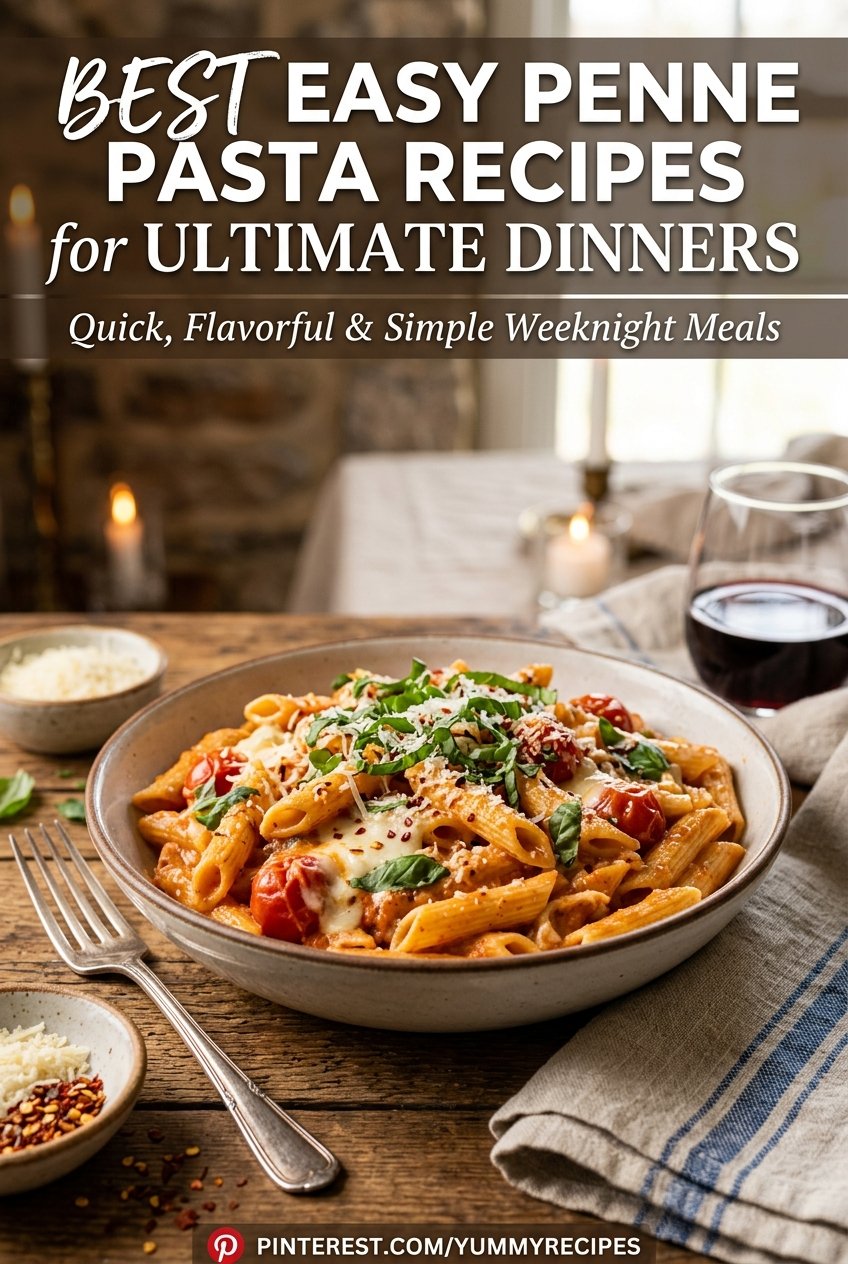
15 Best Easy Penne Pasta Recipes for Ultimate Dinners
There is nothing quite as comforting, versatile, and deeply satisfying as a steaming bowl of perfectly cooked pasta at the end of a long, exhausting day. When it comes to choosing the ideal shape for quick, flavorful, and reliable weeknight meals, penne pasta stands undisputed as the reigning champion of the pantry. With its hollow center, sturdy cylindrical walls, and distinct ridges, penne is structurally engineered to capture, hold, and carry sauces of all viscosity levels—from rich, velvety cream sauces to robust, chunky ragus, and fiery, herb-infused tomato glazes.
In this comprehensive, culinary-grade guide, we will explore the absolute best easy penne pasta recipes designed to elevate your dinner rotation. Whether you are looking for a quick 20-minute garlic herb toss, a comforting one-pan baked casserole, or a restaurant-worthy cream sauce, this guide has you covered. Beyond simple instructions, we will delve into the essential kitchen science of pasta cooking, ingredient emulsification, and pan-saucing techniques that top-tier chefs use to achieve pasta perfection every single time.
The Structural Science of Penne: Why It Rules the Pasta World
To truly master these easy penne pasta recipes, it helps to understand why the shape works so phenomenally well. Originating in Campania, Italy, the word penne translates to “quill” or “pen,” a nod to its angled, diagonal cuts that mimic the nib of an old-fashioned ink pen. This specific design serves a highly functional, culinary purpose.
The angled ends act as miniature funnels, pulling sauces directly into the hollow core of each tube. When you bite into a piece of penne, you are not just tasting the pasta coating; you are experiencing an explosion of sauce trapped within the cylinder. Furthermore, penne generally comes in two distinct varieties:
- Penne Rigate (Ridged): This variation features microscopic grooves running down the exterior walls of the pasta. These ridges act like Velcro for sauces, physically holding onto fats, cheeses, and pureed vegetables. It is the gold standard for heavy, rustic, or cream-based sauces.
- Penne Lisce (Smooth): Lacking ridges, smooth penne offers a more delicate mouthfeel. While less common in modern supermarket aisles, it is spectacular for lighter, oil-based sauces and brothy preparations where a slick, silky texture is desired.
For almost all of our weeknight penne pasta dinners, we highly recommend utilizing high-quality, bronze-cut penne rigate. Bronze-die extrusion leaves a rough, matte, chalky residue on the pasta’s surface, which releases optimal starch into your cooking water and allows sauces to bind flawlessly. To learn more about how wheat quality impacts pasta texture, you can explore the culinary standards defined by the Encyclopaedia Britannica’s detailed pasta guide.
The Golden Rules of Cooking Penne Pasta Al Dente
Before diving into our recipes, we must address the foundation of any great pasta dish: the boil. Cooking penne to the precise state of al dente (literally translating to “to the tooth”) is the difference between a mushy, mediocre meal and a world-class dining experience.
1. Use a Large Pot and Plentiful Water
Pasta needs room to swim. If you cook penne in too small a vessel or with too little water, the starch concentration in the pot rises too quickly, resulting in sticky, unevenly cooked tubes. Aim for at least 4 to 6 quarts of water for every pound of dry pasta.
2. The Salt Water Truth
You may have heard the old adage that pasta water should taste “like the sea.” In reality, sea water is roughly 3.5% salinity, which would make your pasta entirely inedible. However, you do need to salt the water generously. A good rule of thumb is 1 to 1.5 tablespoons of kosher salt per pound of pasta, added only once the water has reached a rolling, aggressive boil. This seasons the pasta from the inside out as it hydrates and gelatinizes.
3. Save Your Pasta Water (The “Liquid Gold”)
Never, under any circumstances, dump all of your pasta water down the drain. This cloudy, starchy liquid is a highly valuable emulsifier. When combined with hot fat (such as olive oil, butter, or cheese), the starches in the water bind the liquids together, creating a smooth, cohesive glaze that clings to the penne instead of pooling at the bottom of your bowl.
4. Cook 1 to 2 Minutes Under Package Directions
If you plan to toss your penne directly into a hot skillet with sauce (which you always should!), boil the pasta until it is slightly underdone. It will finish cooking and absorbing flavors directly inside the sauce pan during the final emulation process.
Recipe 1: The Ultimate Creamy Garlic & Herb Penne
This is the ultimate benchmark for a creamy penne pasta recipe. It is rich without feeling overly heavy, utilizing the natural starches of the pasta to help thicken a luxurious cream glaze infused with fresh, earthy aromatics.
The Science Behind the Cream Emulsion
Many amateur cooks struggle with cream sauces separating, leaving a greasy layer of oil at the top of the pan. To prevent this, we gently simmer heavy whipping cream to reduce its water content, which concentrates the milk solids and fats. Adding starchy pasta water during the final toss stabilizes this mixture, keeping your sauce velvety and glossy.
Ingredients:
- 1 pound (450g) dry penne rigate
- 3 tablespoons unsalted butter
- 5 cloves garlic, microplaned or minced fine
- 1 cup heavy whipping cream (minimum 36% milkfat)
- 1/2 cup freshly grated Parmigiano-Reggiano cheese
- 1/2 cup reserved starchy pasta water
- 1/2 cup fresh flat-leaf Italian parsley, finely chopped
- 1 teaspoon fresh lemon zest
- Kosher salt and freshly cracked black pepper to taste
Step-by-Step Instructions:
- Bring a large pot of heavily salted water to a rolling boil. Drop the penne and cook for approximately 8 minutes, or until it is about 2 minutes shy of al dente. Reserve 1 cup of pasta water, then drain the pasta.
- While the pasta cooks, melt the unsalted butter in a large, deep skillet over medium-low heat. Add the minced garlic and cook for about 1 to 2 minutes. You want the garlic to be highly fragrant and soft, but absolutely do not let it brown, as burnt garlic turns bitter.
- Pour the heavy whipping cream into the skillet. Bring to a gentle simmer and let it cook for 3 to 4 minutes, allowing it to reduce and thicken slightly.
- Add the drained, hot penne directly into the skillet with the cream mixture. Raise the heat to medium.
- Pour in 1/4 cup of the reserved starchy pasta water and toss continuously. Scatter the grated Parmigiano-Reggiano over the top in stages, tossing vigorously to melt the cheese smoothly into the sauce.
- If the sauce appears too thick, add a splash more pasta water. Once the sauce coats the back of a spoon and clings beautifully to the penne, remove the pan from the heat.
- Fold in the fresh chopped parsley and the lemon zest. Season generously with freshly cracked black pepper and kosher salt. Serve immediately in warm bowls.
Recipe 2: One-Skillet Baked Penne with Spicy Italian Sausage
For those cold, busy evenings when you crave deep comfort but refuse to wash multiple pots, this one-skillet baked penne is the perfect solution. It features caramelized Italian sausage, a vibrant marinara sauce, and a molten, bubbly blanket of fresh mozzarella cheese.
Why One-Skillet Cooking Works
By cooking the pasta directly in the skillet with the sausage fat, tomato juices, and chicken broth, the penne absorbs an immense amount of savory flavor. The starch released from the pasta is trapped entirely within the skillet, creating a incredibly thick, luxurious sauce that binds the meat and cheese together flawlessly.
Ingredients:
- 12 ounces (340g) dry penne pasta
- 1 pound (450g) bulk spicy Italian sausage (casing removed)
- 1 medium yellow onion, finely diced
- 3 cloves garlic, minced
- 1 can (28 ounces) high-quality crushed San Marzano tomatoes
- 2 cups low-sodium chicken broth (or water)
- 1 teaspoon dried oregano
- 1/2 teaspoon crushed red pepper flakes (optional for extra heat)
- 1.5 cups shredded low-moisture mozzarella cheese
- 1/2 cup freshly grated Pecorino Romano
- Fresh basil leaves for garnish
Step-by-Step Instructions:
- Preheat your oven’s broiler to high. Heat a large, oven-safe cast iron skillet or Dutch oven over medium-high heat.
- Add the bulk spicy Italian sausage to the skillet. Cook, breaking it up with a wooden spoon, until browned and caramelized (about 6 to 8 minutes). Use a slotted spoon to transfer the cooked sausage to a plate, leaving the rendered fat in the skillet.
- Reduce the heat to medium. Add the diced onion to the sausage fat and sauté for 4 to 5 minutes until soft and translucent. Stir in the minced garlic, dried oregano, and red pepper flakes, cooking for another 60 seconds.
- Pour in the crushed tomatoes and chicken broth. Stir well, scraping up any browned, flavorful bits from the bottom of the skillet. Bring the mixture to a rapid boil.
- Stir in the dry penne pasta and the cooked sausage. Ensure the pasta is mostly submerged in the liquid. Cover the skillet tightly with a lid or aluminum foil.
- Reduce the heat to low and let simmer for 12 to 14 minutes, stirring occasionally to prevent the pasta from sticking to the bottom. Cook until the penne is tender and has absorbed most of the liquid.
- Remove the lid. Stir in half of the mozzarella and half of the Pecorino Romano. Taste and adjust seasoning with salt and pepper.
- Scatter the remaining mozzarella and Pecorino Romano evenly over the top of the pasta.
- Place the skillet directly under the preheated broiler for 3 to 5 minutes, or until the cheese is melted, bubbling, and boasts golden-brown spots. Garnish with torn fresh basil leaves and serve straight from the skillet.
Recipe 3: Authentic Roman Penne all’Arrabbiata
If you appreciate clean, bold, fiery Italian flavors, Penne all’Arrabbiata is your calling. “Arrabbiata” literally translates to “angry” in Italian, referring to the intense heat of the red chili flakes cooked in premium olive oil.
The Importance of Ingredient Quality
Because this recipe relies on very few ingredients, every single component must be of exceptional quality. Opt for a premium, cold-pressed extra-virgin olive oil and real Italian canned whole peeled tomatoes that you crush by hand. For insights on selecting healthy, high-quality fats like extra-virgin olive oil, refer to the Harvard School of Public Health’s nutritional guidelines.
Ingredients:
- 1 pound (450g) dry penne rigate
- 1/4 cup high-quality extra-virgin olive oil
- 4 large cloves garlic, sliced thin
- 1 to 2 tablespoons crushed red pepper flakes (adjust to your spice tolerance)
- 1 can (28 ounces) whole peeled San Marzano tomatoes, hand-crushed in a bowl
- Kosher salt to taste
- Freshly chopped Italian flat-leaf parsley
Step-by-Step Instructions:
- Bring a large pot of water to a boil, salt it generously, and drop the penne. Cook until 2 minutes shy of al dente.
- While the pasta boils, heat the extra-virgin olive oil in a wide skillet over medium-low heat. Add the sliced garlic and crushed red pepper flakes.
- Gently toast the garlic until it turns translucent and fragrant, taking care not to let it turn brown. This infuses the olive oil with the essential oils of the garlic and capsaicin from the chilis.
- Add the hand-crushed San Marzano tomatoes and all their juices into the skillet. Raise the heat to medium, season with salt, and let the sauce simmer vigorously for 10 to 12 minutes until it reduces and thickens into a bright red, slightly chunky sauce.
- Transfer the undercooked penne directly into the skillet with the bubbling sauce. Add a ladleful (about 1/3 cup) of starchy pasta water.
- Toss the pasta over high heat for 1 to 2 minutes, allowing the penne to absorb the spicy tomato sauce and complete its cooking process.
- Remove from heat, stir in the chopped fresh parsley, and finish with a light drizzle of fresh extra-virgin olive oil. Serve hot. (Note: Traditional Roman Arrabbiata does not use cheese, as it dampens the clean heat of the chilis, but feel free to add Pecorino if you prefer!)
Recipe 4: Earthy Mushroom and Thyme Penne
This dish is a vegetarian masterpiece that showcases the incredible savory complexity of mushrooms. It is a fantastic option for fall and winter weeknights, combining deep, woodsy tones with a bright touch of white wine and fresh herbs.
Unlocking Maximum Umami
To get the most out of your mushrooms, you must let them sear properly. Mushrooms contain a high water content; if you crowd the pan or stir them constantly, they will steam in their own juices instead of browning. Let them sit undisturbed in a hot pan to trigger the Maillard reaction, unlocking deep, caramelized, savory notes.
Ingredients:
- 1 pound (450g) dry penne pasta
- 1 pound (450g) mixed mushrooms (such as Cremini, Shiitake, and Oyster), sliced
- 3 tablespoons extra-virgin olive oil
- 2 tablespoons unsalted butter
- 1 large shallot, minced
- 3 cloves garlic, minced
- 1 tablespoon fresh thyme leaves (or 1 teaspoon dried thyme)
- 1/2 cup dry white wine (such as Pinot Grigio or Sauvignon Blanc)
- 1/2 cup heavy cream
- 1/2 cup grated Parmigiano-Reggiano
- Salt and freshly ground black pepper to taste
Step-by-Step Instructions:
- Cook the penne in a large pot of boiling salted water until al dente. Reserve 1 cup of starchy pasta water, then drain.
- Heat the olive oil in a very large skillet over high heat. Add the sliced mushrooms in a single, even layer. Let them cook undisturbed for 4 to 5 minutes until the bottom sides are deep golden brown.
- Stir the mushrooms, then add the butter, minced shallot, garlic, and fresh thyme leaves. Sauté for another 3 minutes, stirring frequently as the shallots soften and become fragrant. Season with salt and pepper.
- Pour in the dry white wine, using a wooden spatula to scrape up all the caramelized bits stuck to the bottom of the pan. Let the wine simmer and reduce by half (about 2 to 3 minutes).
- Reduce the heat to medium-low and pour in the heavy cream. Let it simmer gently for 2 minutes.
- Add the cooked penne directly to the skillet. Toss to coat the pasta in the mushroom cream sauce.
- Add 1/4 cup of the reserved pasta water and the grated Parmigiano-Reggiano, tossing rapidly to create a glossy, unified glaze. Adjust with more pasta water if necessary. Season to taste and serve immediately.
Recipe 5: Refreshing Lemon Ricotta and Spinach Penne
When you need a dinner that feels exceptionally light, bright, and takes less than 20 minutes to assemble, this lemon ricotta and spinach penne is your ultimate option. It requires virtually no actual cooking for the sauce itself, making it incredibly fast.
The Role of No-Cook Ricotta
High-quality whole milk ricotta provides a creamy, luxurious mouthfeel without the need for heavy cream or complex reductions. By whisking hot pasta water directly into cold ricotta, you temper the cheese, turning it into a silky, light sauce that gently coats each noodle and wilts the baby spinach instantly.
Ingredients:
- 1 pound (450g) dry penne rigate
- 1.5 cups high-quality whole milk ricotta cheese
- Zest and juice of 1 large organic lemon
- 1/4 cup extra-virgin olive oil
- 1/2 cup freshly grated Parmigiano-Reggiano
- 5 ounces (140g) fresh baby spinach, washed
- 1/2 teaspoon freshly grated nutmeg
- Kosher salt and freshly cracked black pepper to taste
- Toasted pine nuts for serving (optional)
Step-by-Step Instructions:
- Boil your penne in generously salted water. Ensure you reserve at least 1.5 cups of pasta cooking water before draining, as this is crucial for creating the sauce.
- In a large serving bowl, combine the whole milk ricotta, extra-virgin olive oil, lemon zest, lemon juice, grated Parmigiano-Reggiano, grated nutmeg, salt, and plenty of black pepper. Whisk together until smooth and creamy.
- Gradually whisk in 1/2 cup of the hot, reserved starchy pasta water into the ricotta mixture. The heat will melt the cheeses and create a warm, creamy, pourable sauce.
- Add the fresh, raw baby spinach to the bowl with the warm ricotta sauce.
- Immediately dump the hot, drained penne directly on top of the spinach. Toss everything together vigorously. The residual heat of the pasta will perfectly wilt the spinach down without overcooking it or turning it mushy.
- If the pasta seems dry, splash in a little more hot pasta water until a creamy, smooth consistency is reached.
- Divide into bowls, top with toasted pine nuts for a delightful textural contrast, and dust with extra lemon zest and black pepper.
Recipe 6: Classic Penne alla Vodka
Penne alla vodka is a timeless, crowd-pleasing Italian-American classic. It strikes a flawless balance between the sweet acidity of caramelized tomato paste and the decadent, smooth richness of heavy cream.
Why Vodka in Pasta Sauce?
While some might think vodka in pasta is a gimmick, it actually serves a crucial chemical function. Alcohol acts as an emulsifier and flavor extractor. It bonds with both water and fat molecules, bridging the gap between them. This allows alcohol-soluble flavor compounds hidden within the tomatoes to be unlocked, resulting in a significantly more aromatic and complex sauce. Furthermore, the alcohol prevents the cream from curdling when mixed with the acidic tomatoes.
Ingredients:
- 1 pound (450g) dry penne rigate
- 2 tablespoons extra-virgin olive oil
- 1 small yellow onion, finely minced
- 3 cloves garlic, minced
- 1/2 cup tomato paste (double-concentrated is best)
- 1/2 cup high-quality vodka
- 1 cup heavy whipping cream
- 1/2 teaspoon red pepper flakes
- 1/2 cup freshly grated Grana Padano or Parmigiano-Reggiano
- Kosher salt and black pepper
- Fresh basil, chiffonade, for serving
Step-by-Step Instructions:
- Boil the penne in salted water until al dente. Reserve 1 cup of pasta water and drain.
- Heat the olive oil in a large skillet over medium heat. Add the minced onion and cook for 5 minutes until soft and translucent. Add the garlic and red pepper flakes, cooking for 1 minute.
- Add the tomato paste to the skillet. Cook, stirring constantly, for 3 to 4 minutes. You want the tomato paste to darken from a bright red to a deep, rusty brick color. This caramelizes the natural sugars in the tomatoes, eliminating any harsh raw metallic flavors.
- Pour in the vodka to deglaze the pan. Use your spatula to scrape up any bits on the bottom. Let the vodka simmer and reduce by half (about 3 minutes) to burn off the harsh alcohol vapors.
- Reduce the heat to low. Pour in the heavy cream, stirring continuously to incorporate it with the caramelized tomato paste. You will see the sauce transform into a beautiful, iconic orange-pink hue. Let it simmer gently for 2 minutes.
- Add the hot penne and 1/4 cup of the reserved pasta water to the skillet. Toss to coat.
- Stir in the grated Grana Padano, tossing vigorously until melted and glossy. Remove from heat, fold in fresh basil, and serve with extra cheese if desired.
Recipe 7: Vibrant Pesto Penne with Roasted Cherry Tomatoes
This dish is a celebration of fresh, herbaceous, and sweet summer flavors. It combines a rich, nutty basil pesto with sweet, blistered cherry tomatoes that burst in your mouth with every bite.
The Culinary Golden Rule of Pesto
The most crucial rule of cooking with pesto is simple: **never cook pesto over direct heat**. Basil is highly sensitive to heat; cooking it destroys its delicate aroma, oxidizes the vibrant green color into an unappealing muddy brown, and causes the olive oil to separate. Instead, always fold pesto into warm pasta off the heat, using starchy pasta water to emulsify the sauce naturally.
Ingredients:
- 1 pound (450g) dry penne rigate
- 2 pints cherry or grape tomatoes
- 3 tablespoons extra-virgin olive oil (for roasting)
- 1 cup high-quality jarred or homemade basil pesto
- 1/2 cup toasted pine nuts or chopped walnuts
- 1/2 cup grated Parmigiano-Reggiano
- Kosher salt and freshly cracked black pepper
Step-by-Step Instructions:
- Preheat your oven to 400°F (200°C). Toss the cherry tomatoes with 3 tablespoons of extra-virgin olive oil, salt, and pepper on a large baking sheet.
- Roast the tomatoes for 15 to 20 minutes, or until their skins are wrinkled, slightly charred, and they have begun to release their sweet, concentrated juices. Set aside.
- While the tomatoes roast, boil the penne in a large pot of salted water. Reserve 1 cup of starchy pasta water, then drain.
- In a large mixing bowl (off the heat), combine the hot, drained penne with the roasted cherry tomatoes and all of their sweet pan juices.
- Add the basil pesto and 1/4 cup of the reserved hot pasta water. Toss gently but thoroughly. The starchy water and hot tomato juices will melm with the olive oil in the pesto, creating a gorgeous green glaze that coats the penne effortlessly.
- Stir in the grated Parmigiano-Reggiano and toasted nuts. Season with salt and black pepper to taste, and serve warm or at room temperature.
Crucial Kitchen Equipment for Pasta Masters
To consistently execute these easy penne pasta recipes to perfection, having the right culinary tools on hand is highly beneficial. Investing in these few key items will transform your pasta game:
| Equipment Item | Why You Need It |
|---|---|
| Large 6-Quart Stockpot | Allows ample volume for cooking pasta evenly without crowding, preventing starch build-up. |
| 12-Inch Deep Skillet/Sauté Pan | Provides maximum surface area for tossing the cooked pasta directly into your sauces. |
| Microplane Grater | Essential for grating hard cheeses like Parmigiano into a light snow that melts effortlessly. |
| Stainless Steel Mesh Spider | Allows you to transfer penne directly from the boiling water to the sauce skillet without losing precious starch water. |
Frequently Asked Questions (FAQs) About Penne Pasta
1. Can I make these penne recipes gluten-free?
Absolutely! High-quality gluten-free penne pastas made from brown rice, chickpeas, or corn blends are widely available today. When cooking gluten-free penne, be exceptionally careful with cooking times. Gluten-free pasta has a much narrower window of perfect texture and can quickly become mushy if overcooked by even a minute. Rinse gluten-free pasta very briefly with warm water if it appears overly gummy before adding it to your sauce.
2. How long do leftovers keep in the fridge?
Most of these penne recipes store beautifully in an airtight container in the refrigerator for up to 3 to 4 days. However, pasta tends to continue absorbing moisture as it sits, meaning it may appear drier when reheated.
3. What is the best way to reheat leftovers without drying them out?
Avoid the microwave if possible, especially for cream or cheese-based sauces, as this can cause the fats to split. Instead, place the leftover penne in a small skillet over medium-low heat, add a splash of water, milk, or broth (about 1 to 2 tablespoons), and heat gently while stirring. This re-emulsifies the sauce, returning it to its original glossy glory.
4. Can I freeze cooked penne pasta dishes?
Baked penne pasta dishes (like Recipe 2) freeze wonderfully. You can assemble the dish completely up until the final baking step, wrap it tightly in plastic wrap and aluminum foil, and freeze for up to 3 months. When ready to eat, bake directly from frozen, adding an extra 15 to 20 minutes to the baking time under foil before removing it to brown the cheese.
5. What can I use if I do not have penne pasta?
If your pantry is out of penne, you can easily substitute it with other medium-sized, tubular, or textured pasta shapes. Great alternatives include Rigatoni, Tortiglioni, Mezze Penne, Campanelle, or Fusilli, as they all share similar sauce-holding capabilities.
Conclusion: Bring the Italian Kitchen to Your Home
Preparing an extraordinary dinner does not require hours of labor, expensive ingredients, or advanced culinary degrees. By understanding the simple science of starch-water emulsification, mastering the art of al dente cooking, and keeping high-quality ingredients in your pantry, you can transform simple dry penne into spectacular, restaurant-worthy meals in under thirty minutes.
The next time you find yourself staring at a box of penne on a busy Tuesday night, skip the jarred marinara. Fire up your skillet, sear some mushrooms, caramelize some tomato paste, or whisk up some creamy ricotta. Your taste buds—and your family—will thank you.